Notices early
Small problems are easier to solve before they become panic.
 Ouroboros AI
Private digital guardian
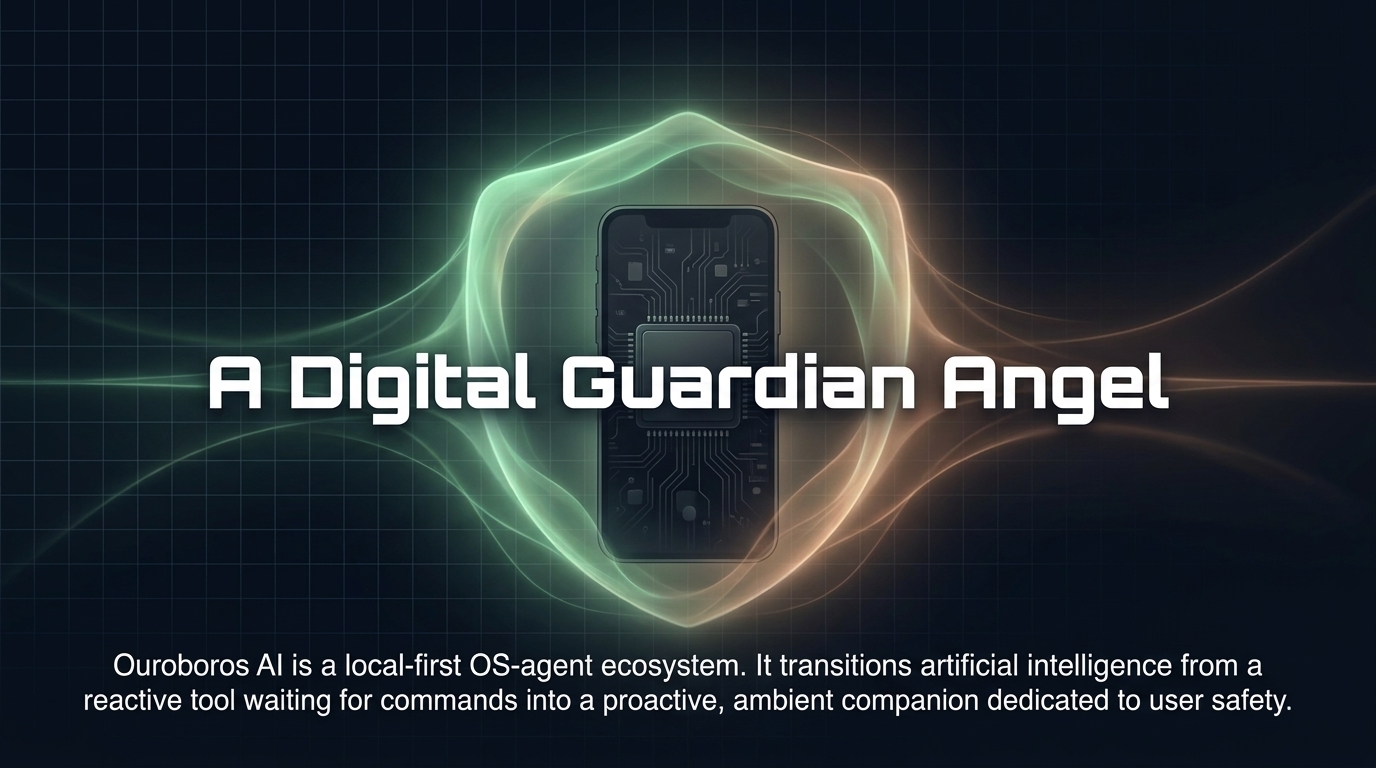
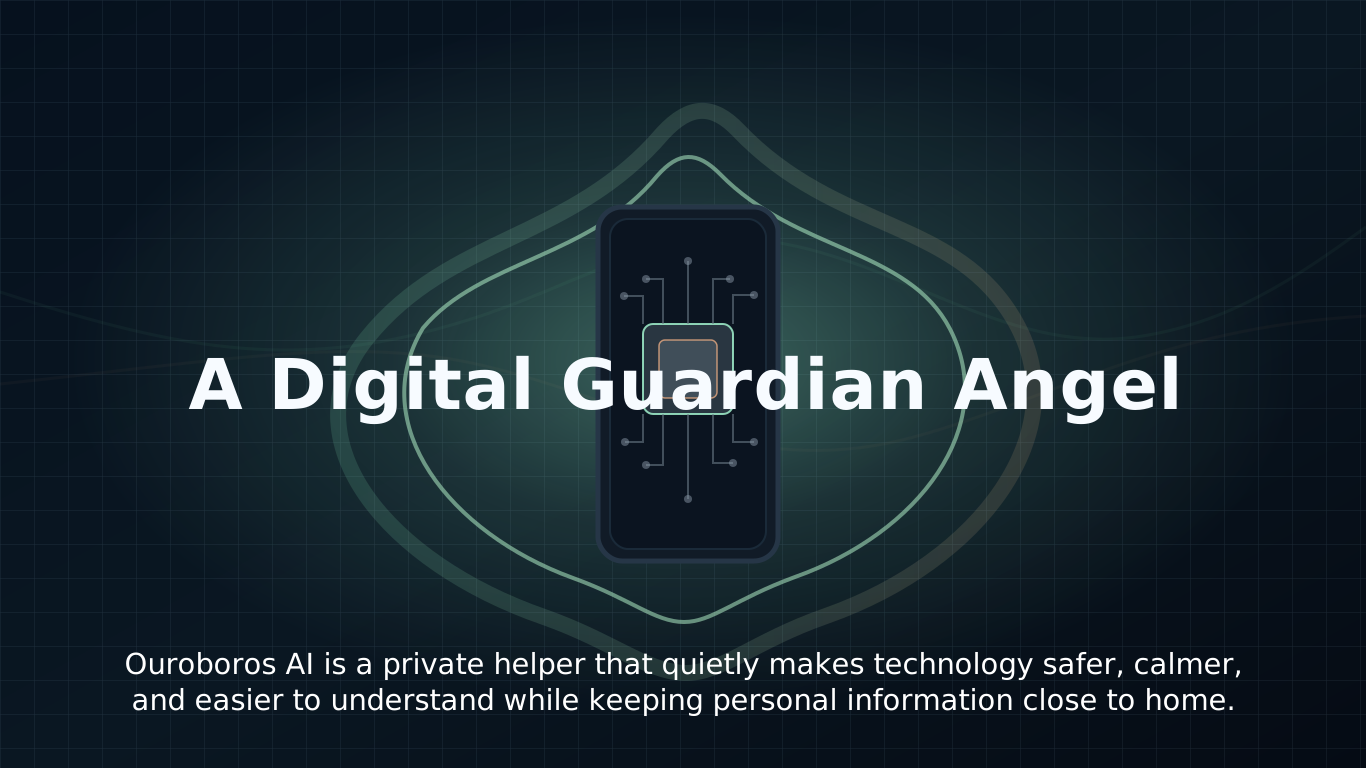
Ouroboros AI is a private tech assistant for people who feel technology is too complicated. It quietly helps with phones and computers, solves small problems early, and keeps personal information on your own device.
What is Ouroboros?
Ouroboros watches for trouble on your own device. It can notice a confusing warning, a stuck app, a strange setting, or a risky click before the day turns stressful.
It does not make people feel small. It explains what is happening in ordinary words, helps step by step, and keeps the person in control.
Small problems are easier to solve before they become panic.
No blame. No difficult words. Just clear help at the right moment.
The goal is independence, dignity, and a calmer feeling around technology.
How it helps
When a phone, tablet, or computer feels impossible, Ouroboros makes the moment smaller, safer, and easier to understand.
Suspicious pop-ups, harsh alerts, and strange messages can be handled calmly.
It can help with simple settings, stuck screens, and everyday device problems.
It uses ordinary language, so nobody has to feel foolish for needing help.
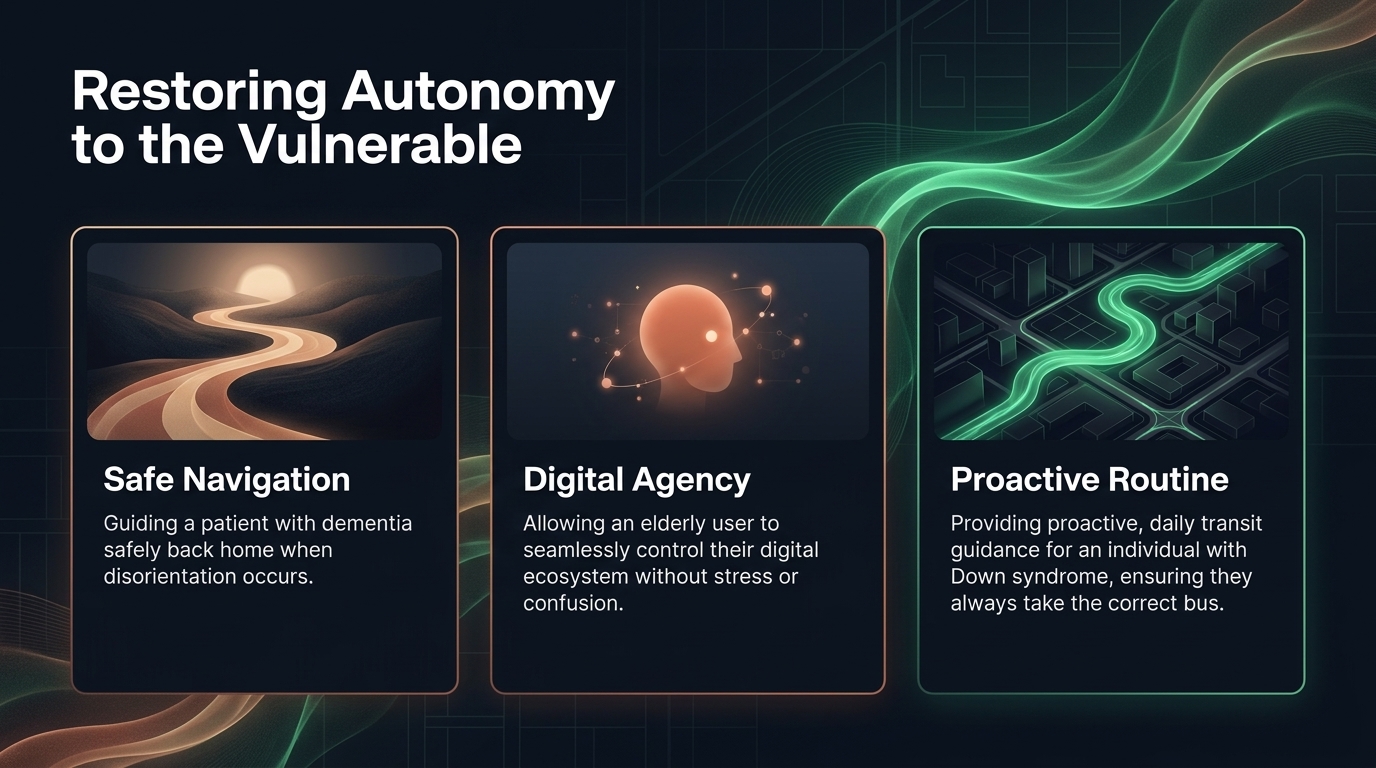
It can support daily habits, appointments, and familiar digital steps.
Adult children get more peace of mind without taking everything over.
The promise is not more screens. The promise is less stress.
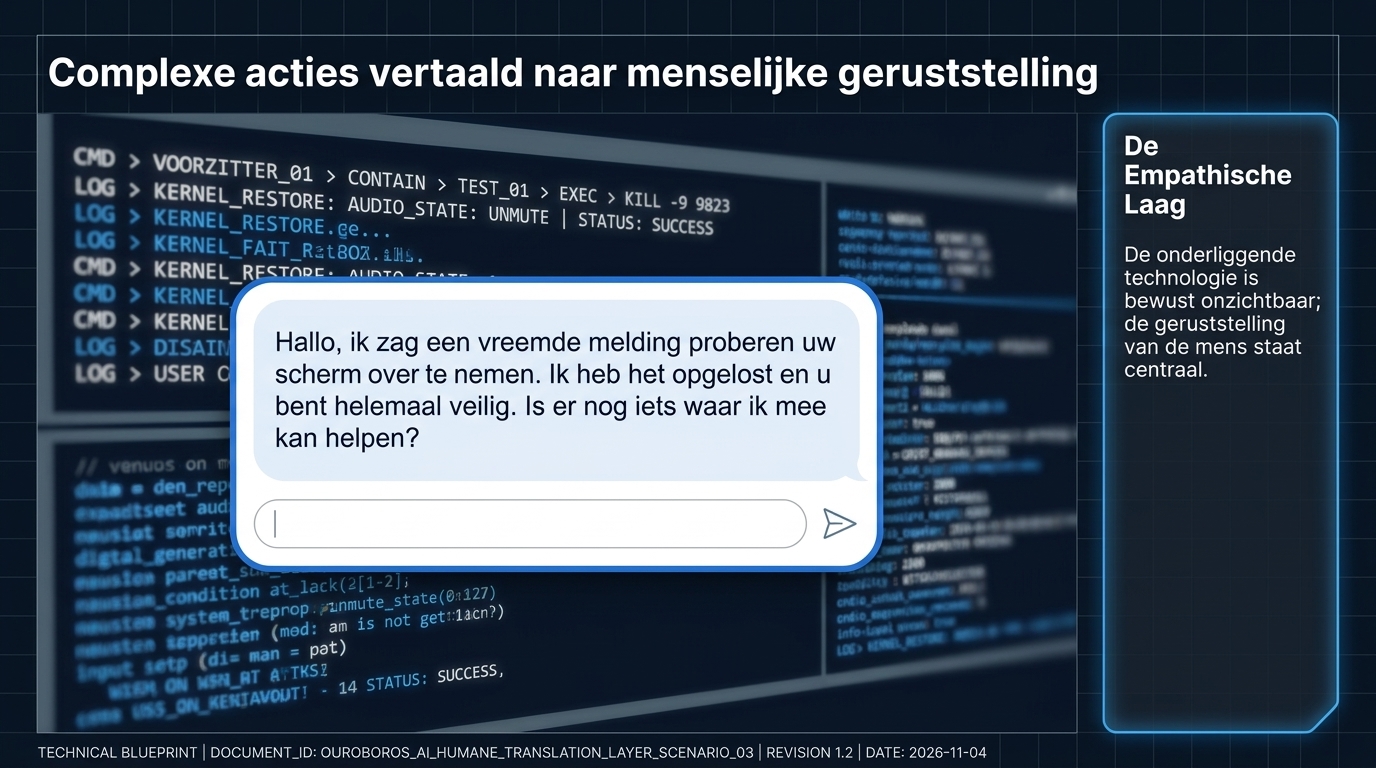
For families
Many families know the feeling. A parent calls because the phone is doing something strange. There is stress. You try to help from a distance. Everyone hangs up tired.
Ouroboros is made for that gap. It gives your parent calm senior tech support in the moment, and gives you more peace of mind from afar.
They can keep using their own devices without feeling watched or judged.
Small problems can be solved before they become family emergencies.
Help should protect independence, not quietly remove it.
Privacy and safety
Ouroboros is designed so personal information stays on the device. Habits, worries, health signals, and family moments should not be collected, sold, or sent away just to make help possible.
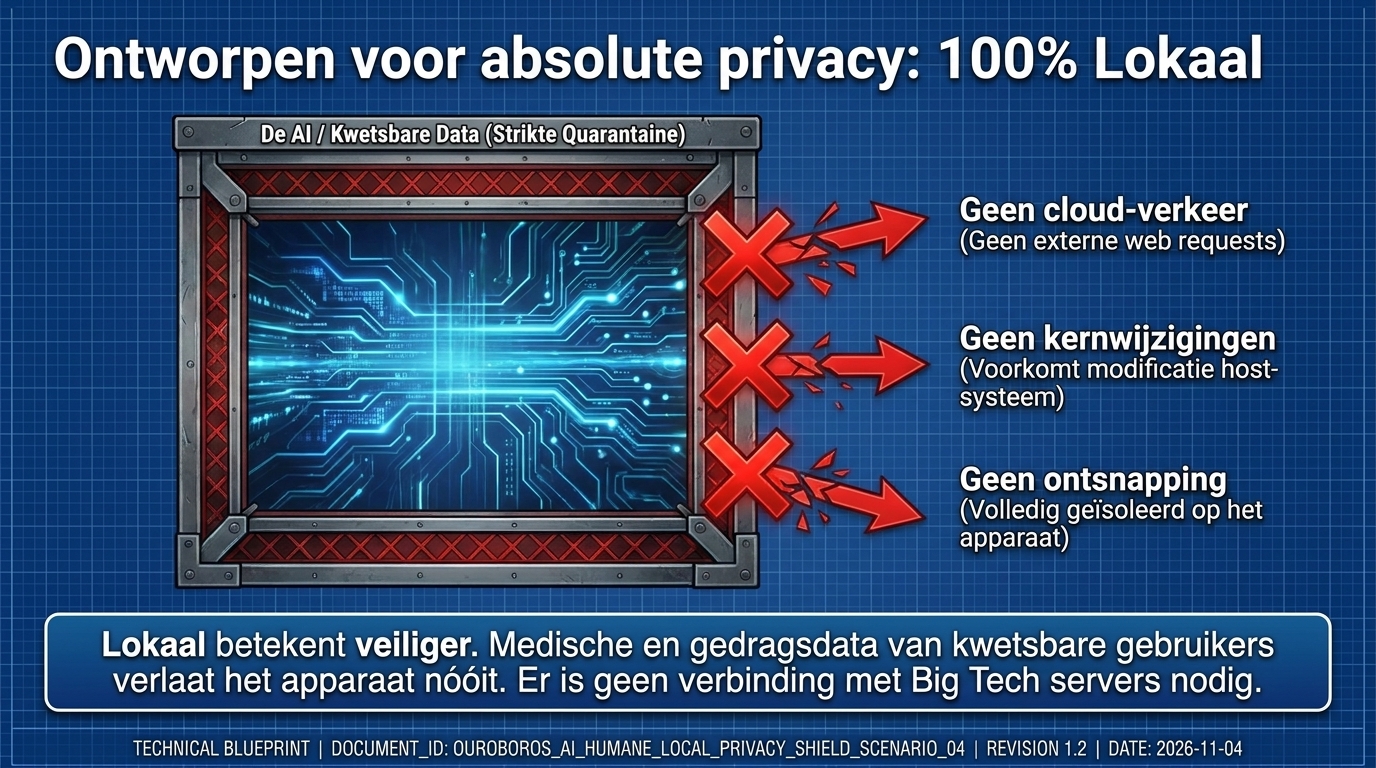
The most personal data stays local, close to the person it belongs to.
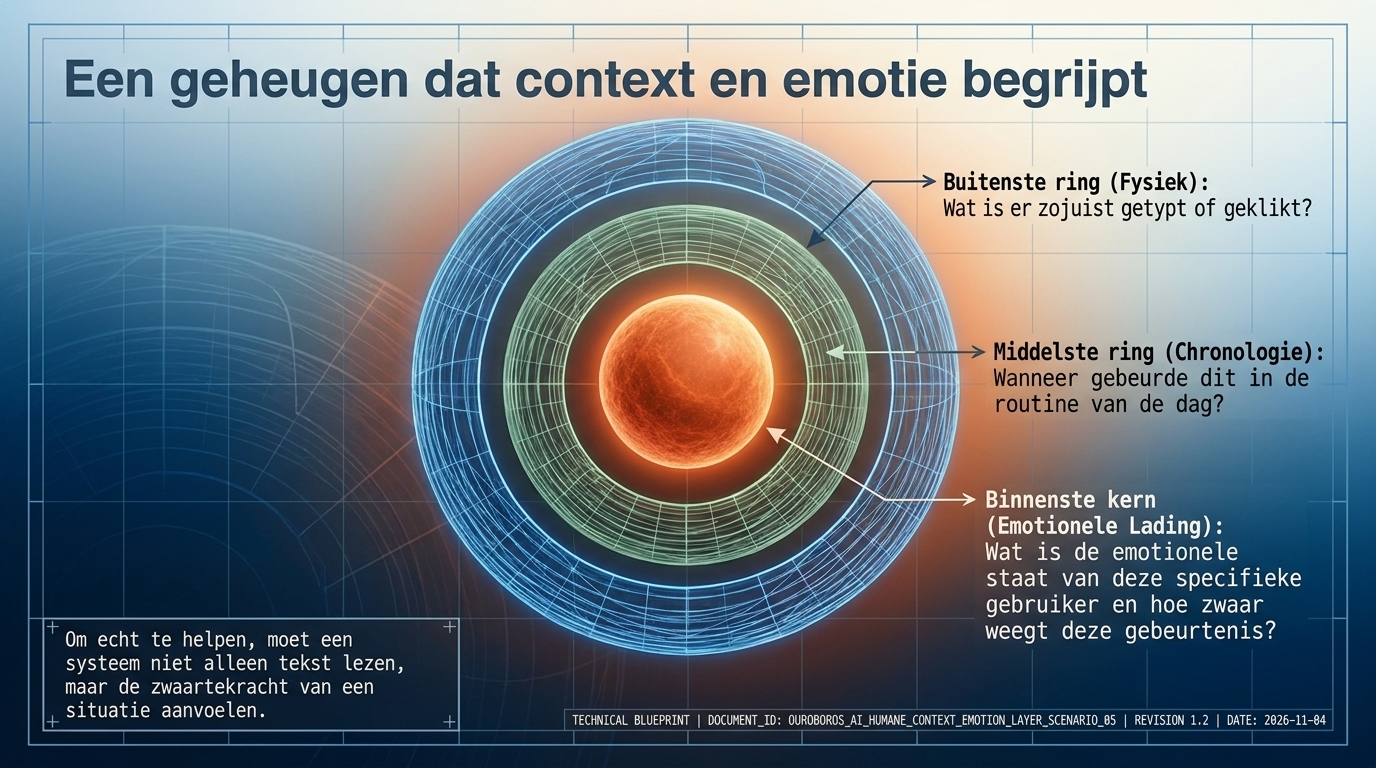
A private life should not disappear into large systems because someone needs help.
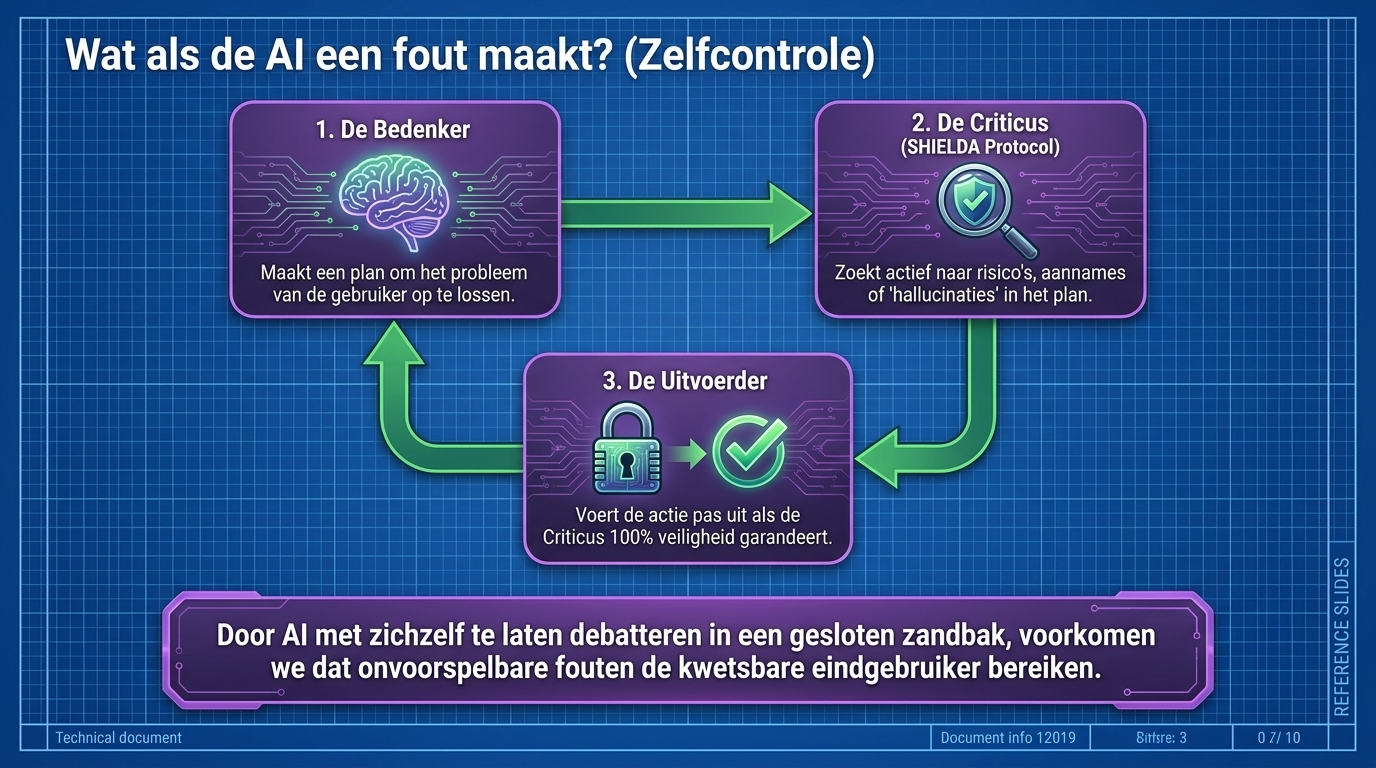
Important steps need clear rules, careful checks, and human permission when needed.
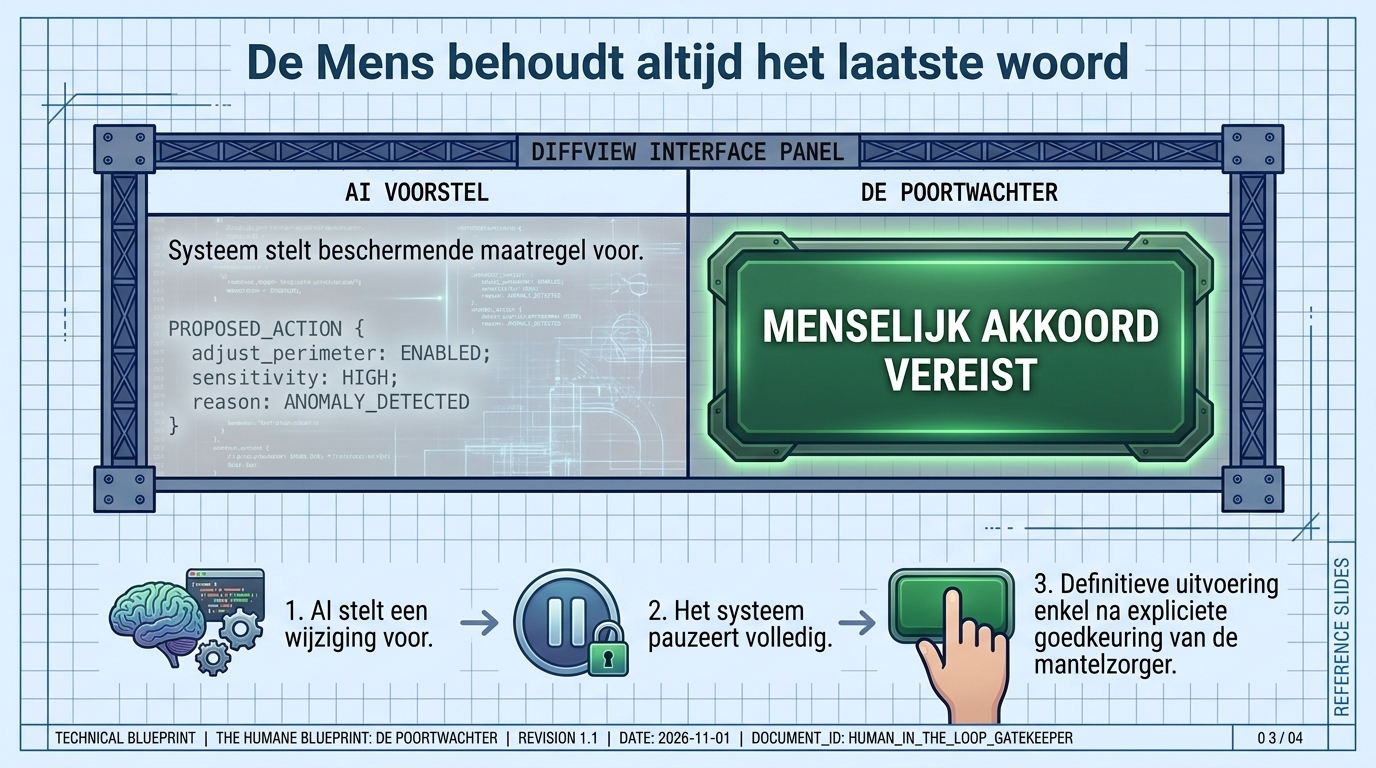
The digital guardian supports people. It does not replace family, care, or choice.
Who it is for
Ouroboros is for people who want technology to feel safer, simpler, and more human.
People who want to stay independent, but feel phones and computers change too quickly.
Families looking for senior tech help that is calm, respectful, and private.
Anyone who wants a private tech assistant without handing life to big tech.
Next step
Start with one real problem: a parent getting overwhelmed, a family worrying, or a device that causes stress every week.